Screens are changing how we work. Video calls, digital communication, shared documents and AI tools now enable much of our collaboration.
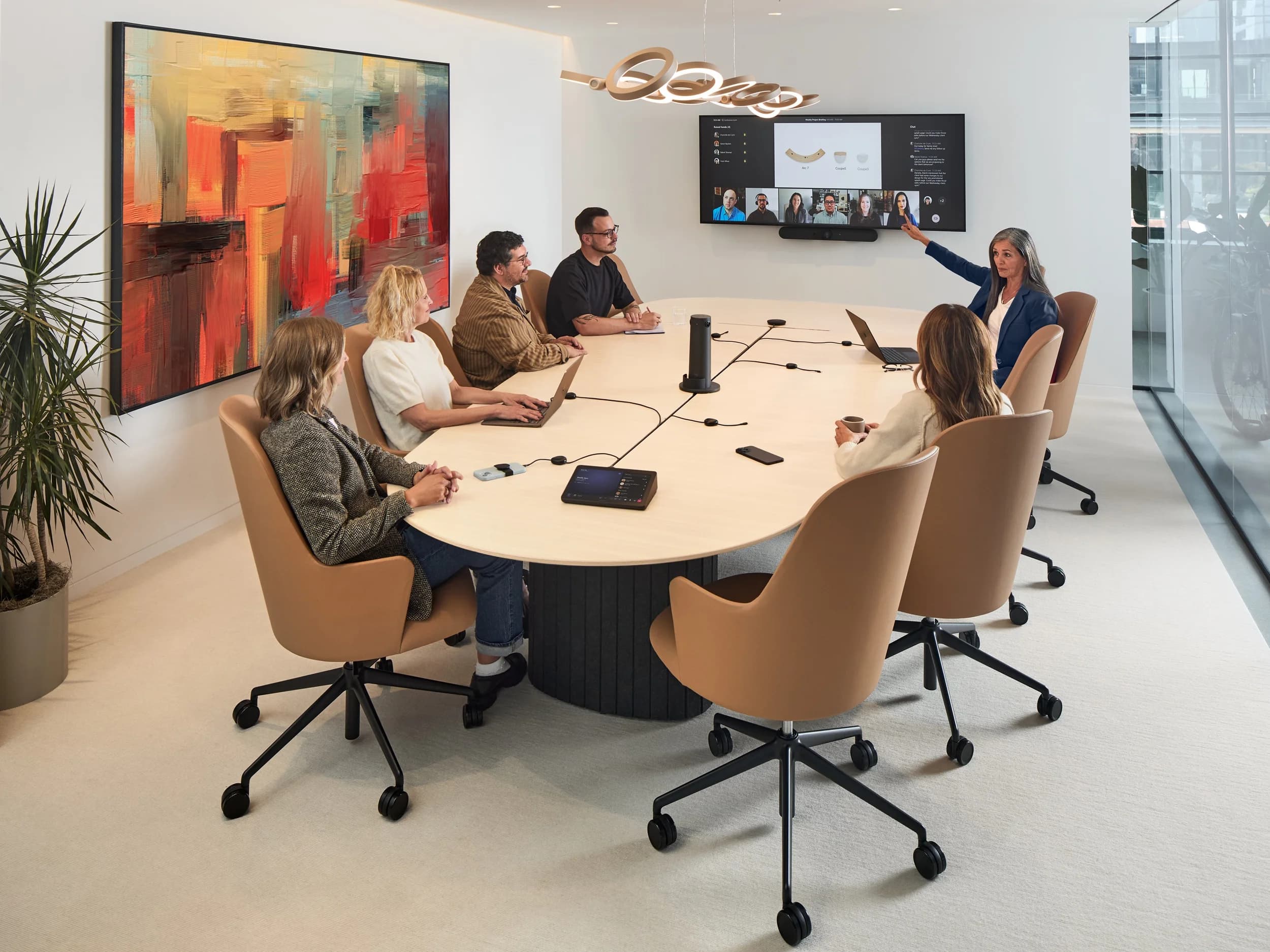
According to a 2025 global study by Steelcase, 85 % of people have meetings with at least one remote participant. Hybrid working is thus becoming a permanent part of working life.
Research by Dr. Gloria Mark also shows a marked decline in attention spans – from 2.5 minutes in 2007 to just 47 seconds today. Constant switching between emails, meetings and messages increases stress, slows thinking and makes deep work harder.
More screen time, less movement
People now spend an average of 59 % of their working time in front of screens, rising to 71 % when working alone.
This reduces natural movement: walking to meetings is replaced by hours spent sitting at a computer. Yet movement supports cognitive performance, concentration and creativity. Prolonged sitting is also associated with musculoskeletal problems and chronic illnesses. The workplace should therefore naturally encourage people to move regularly.
The cognitive load of technology
Artificial intelligence can make work more efficient and speed up decision-making, but it also places greater demands on the brain. Among frequent AI users, 45 % report burnout, compared with 38 % of those who use it rarely (Quantum Workplace, 2024).
Video calls place a similar strain on the brain. During virtual communication, the brain processes limited body language, flattened facial expressions and potential audio delays. This can lead to mental exhaustion, irritability and poorer concentration.
People who have meetings with at least one remote participant
85 %
Average working time spent in front of screens
59 %
Average working time spent in front of screens when working alone
71 %
Convenience must not replace face-to-face contact
Technology can also weaken interpersonal relationships. According to Steelcase, 39% of people make video calls at their desks even though colleagues are nearby; only 19 % actually prefer this. It is therefore often the easiest option rather than the best.
If screens gradually replace face-to-face meetings, there are fewer natural opportunities to build relationships, trust and company culture. Convenience can thus come at the cost of greater isolation.
Technology and space must work together
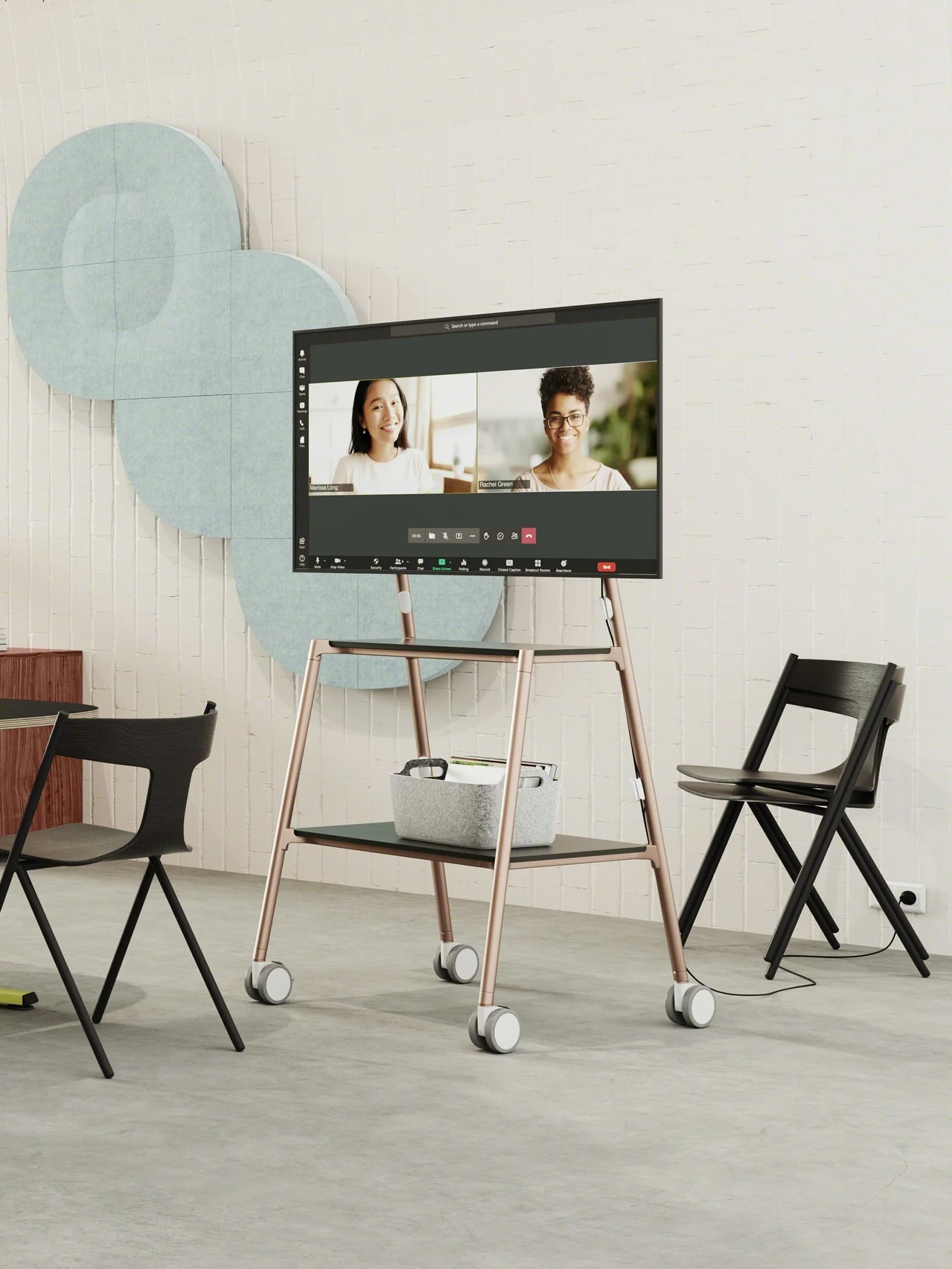
Screens are not a problem in themselves. They are highly effective for sharing information and coordinating remotely, but less suited to building trust, mentoring, creativity and spontaneous collaboration.
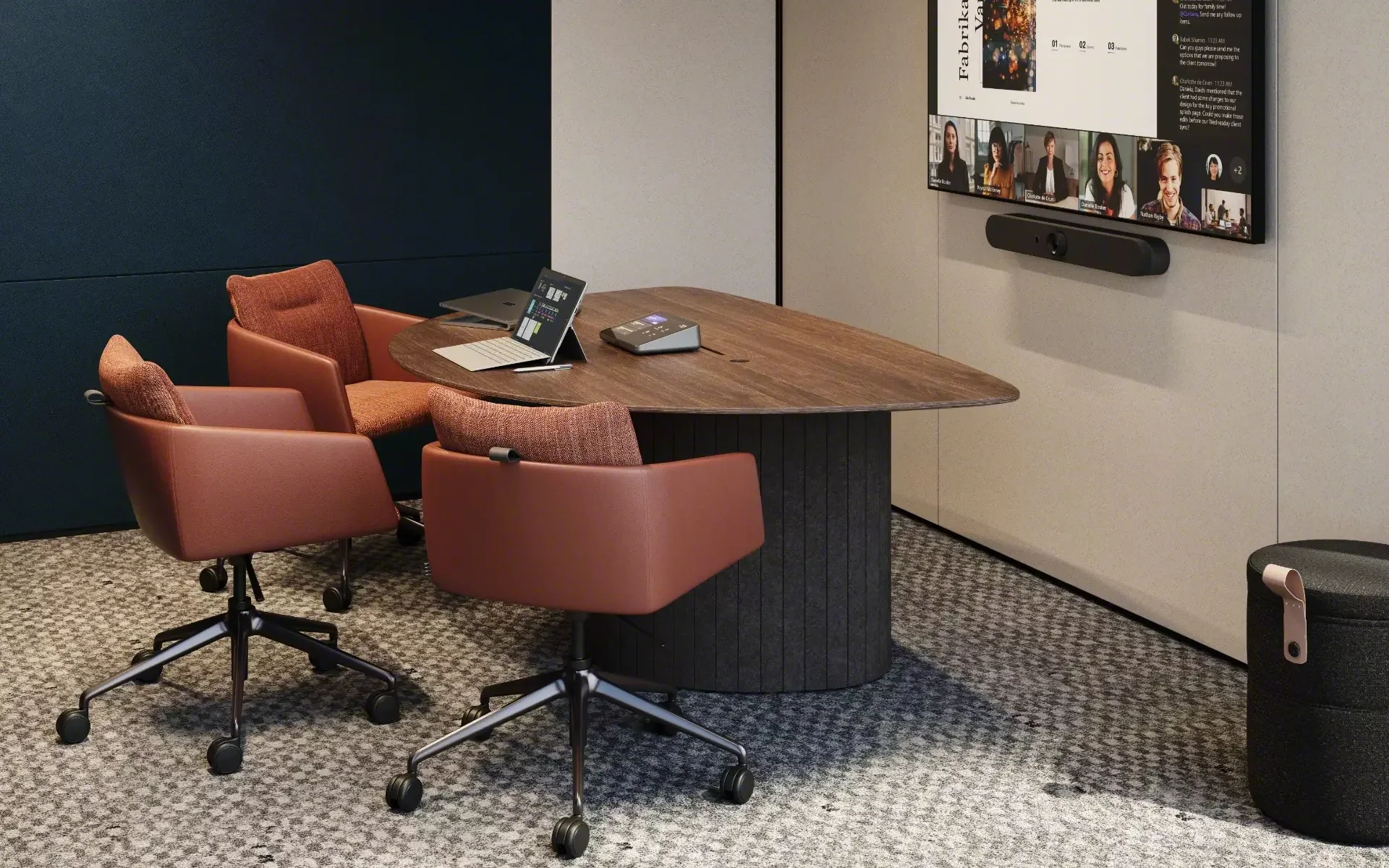
Well-designed offices therefore combine technology with the physical environment and offer people genuine choice: spaces for uninterrupted concentration, well-equipped facilities for video calls and hybrid meetings, and welcoming places for informal face-to-face interaction. The aim is not to remove screens, but to find a balance between digital efficiency, movement, concentration and human contact.
.webp)